
Platforms · 04 · Distressed assets
Yeats Restart
The receiver can sell the building. They cannot finish it.
Yeats Restart buys stalled schemes and buildings that have lost their use at the price of the problem, finishes them with the team that built Engine Works, and gives each one an exit through a Yeats platform or a straight trade.

04 · Distressed assets

The receiver can sell the building. They cannot finish it.
Distress in UK real estate sits in a specific place: schemes that stalled mid-build, estates whose owners cannot refinance, and secondary buildings that have lost their use. The discount on those assets pays for the fix only if the buyer can price the fix at cost and knows what the building becomes. Yeats Restart buys the problem, finishes the building, and gives it an exit.
Findthe signal before the building is marketed: receivers, insolvency practitioners, auction houses and lenders, plus the insolvency, Companies House and Land Registry feeds inside Yeats OS
Pricethree numbers on one sheet: the seller's price, our own cost to finish, and what the building is worth through a Yeats exit. Nothing is bid until all three are on file
Securethe asset, or the loan secured on it, funded and unconditional, inside the receiver's timetable
Finishwith the team that designed, built and let Engine Works, at cost, not at a contractor's risk-loaded quote
Exitinto Boxroom, Works or Yeats Edge, or a straight trade. Most bidders at a receiver's sale have one exit. Yeats has four
Funded, fast, unconditional · positions are never published while live · Yeats® is a registered trade mark of Yeats Works Limited
The proof
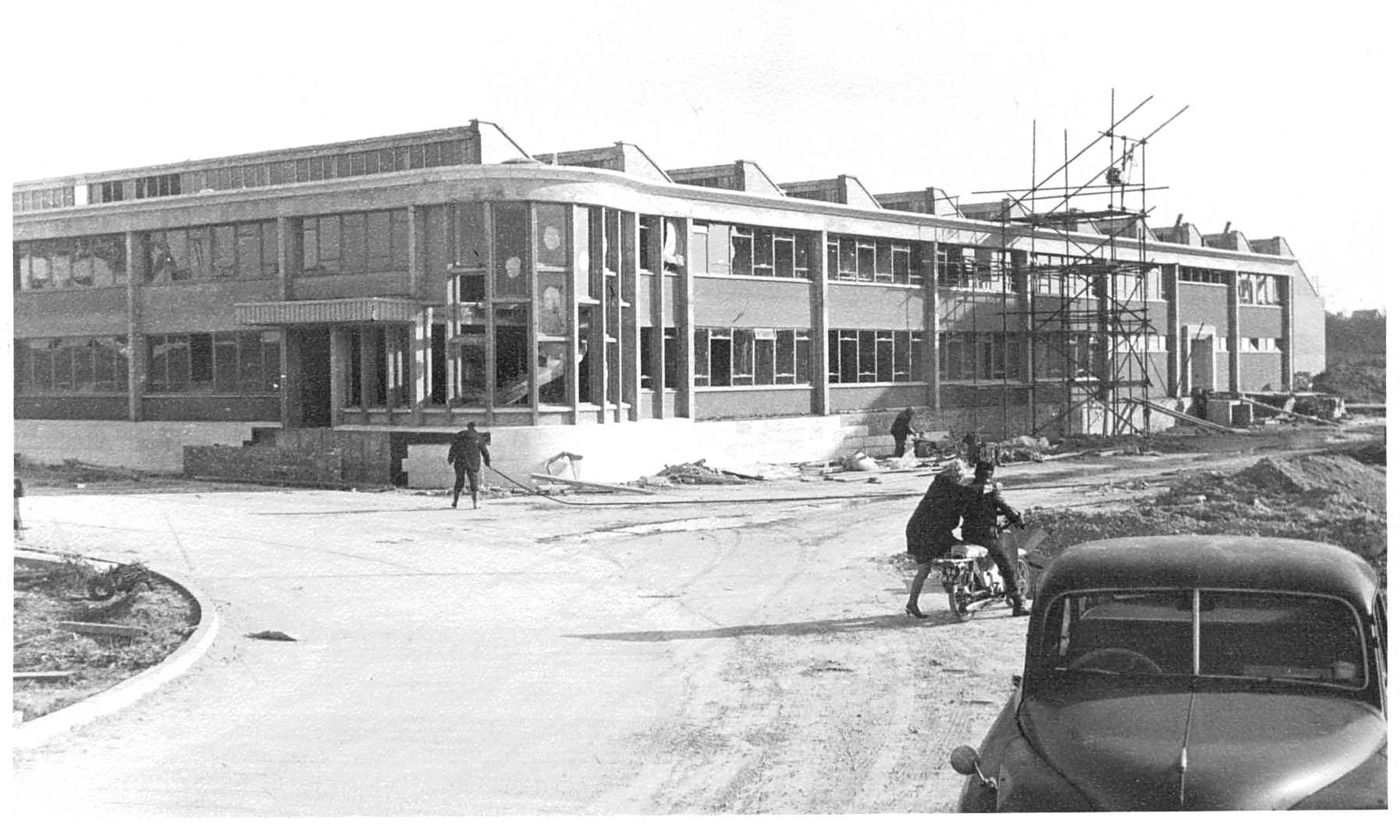
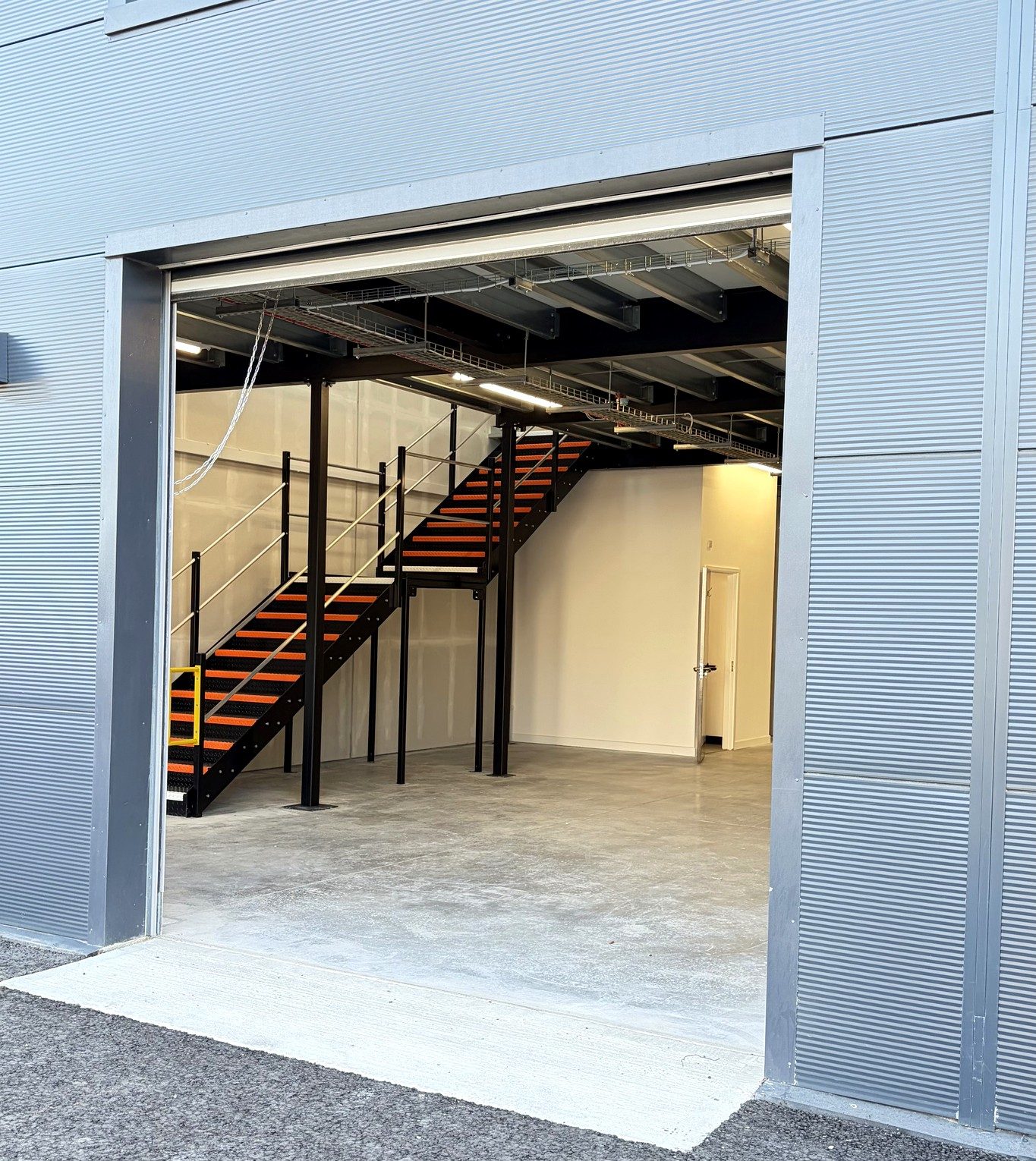
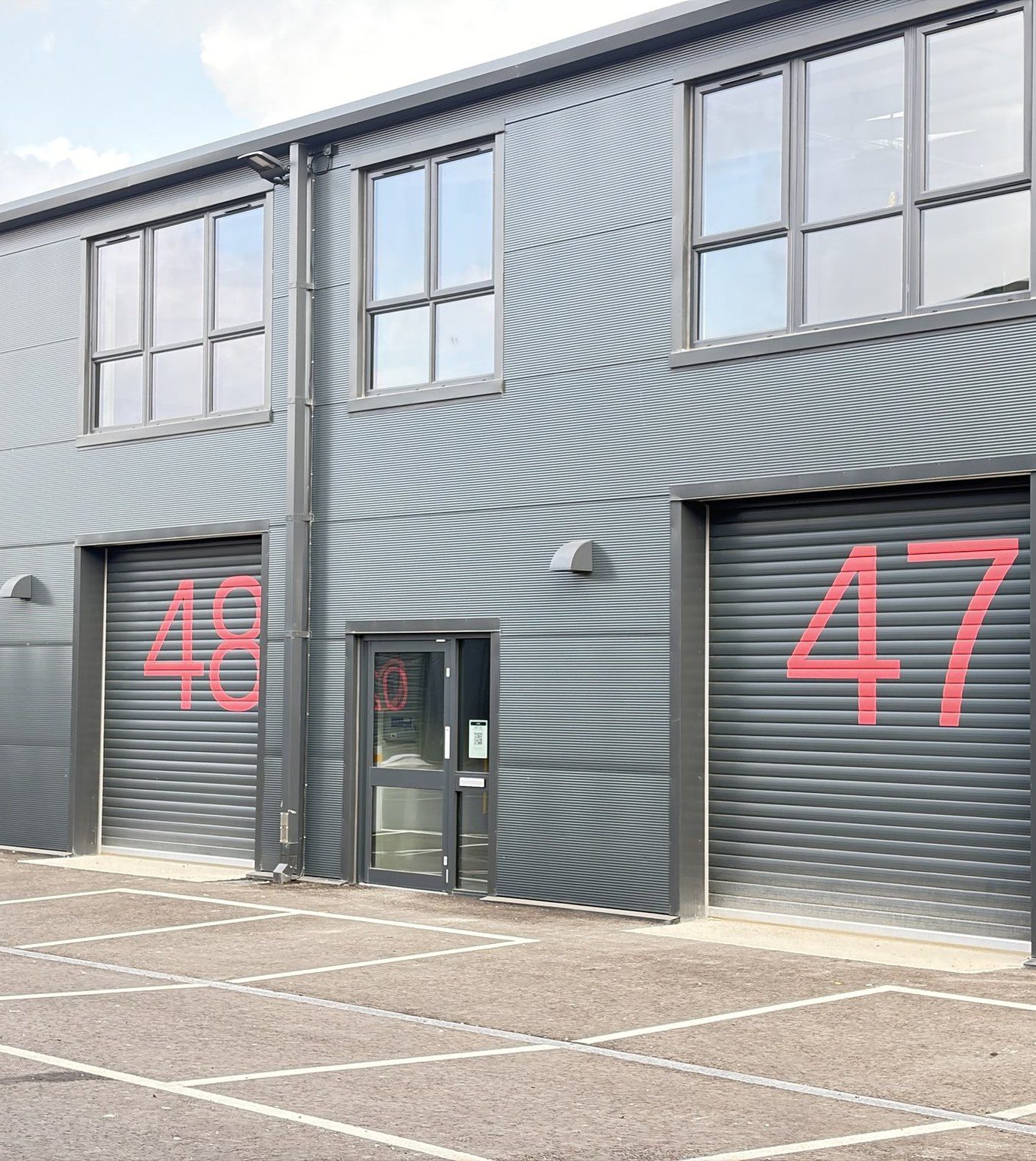
Engine Works was a redundant engine factory. The same team took it from a derelict shell to 59 units, built and letting.
The three prices · how every position is underwritten
One sheet, three numbers. Nothing is bid until all three are on file.
The seller's price
Guide or reserve, and the lender's position behind it. The number the receiver has to beat.
The cost to finish
Our quantity surveyor's figure to practical completion or the new use, with an allowance for work built by someone else.
The exit value
What the building is worth let and trading as a Boxroom store, a Works park, an Edge hall, or sold on.
The first two together must sit well below the third, or below replacement cost for a storage conversion. The discount is the return; there is no other. Where the sums do not work, Yeats does not bid, however motivated the seller.
Exit
Boxroom
A retail warehouse on a roadside site becomes a store.
Exit
Works
A broken trade estate becomes a park on the Engine Works specification.
Exit
Yeats Edge
A call centre with a spare supply becomes a powered building.
Exit
Trade
A part-built scheme is finished and sold.
Deep teal
Mid teal
Green
Cream
The brand
Restart is a Yeats platform and wears the Yeats colours: the mark is the word with three rising bars, teal running to green, the shape of a position bought low and brought back. It is deliberately quiet. The people it speaks to, receivers, insolvency practitioners and lenders, rank three things above price: funded, fast and unconditional.
The market
Distress in UK real estate is a trickle, not a flood, and it sits in a specific place: small developers who ran out of money mid-build, loans that cannot refinance, and secondary buildings that have lost their use.
The investment case
The discount is the return
A broken asset is worth the gap between what it costs to buy and finish and what it is worth working again. Yeats underwrites every position on that gap alone, with no reliance on rental growth or yield shift. Where the gap is not there, we do not bid.
Delivery at cost
Engine Works was designed, built and let by the team. A receiver's part-built scheme is priced by what it costs us to finish, not by a contractor's risk-loaded quote. That is the difference between a bid that works and one that does not.
Four exits, not one
A dead retail warehouse is a Boxroom site. A broken trade estate is a Works park. A redundant call centre with a spare supply is an Edge building. Most bidders at a receiver's sale have one exit. Yeats has four, and chooses the best one for each building.
How we execute
What we do differently.
Three prices on one sheet before any bid: the seller's price, our own cost to finish, and the value of the building through a Yeats exit. Nothing is offered until all three are on file and the gap between them pays for the fix.
Funded, fast and unconditional. Receivers, insolvency practitioners and lenders rank those three things above price. Yeats bids with committed equity and a standing proof of funds, and answers inside two days.
Sourcing before the building is marketed: relationships with the receivership, insolvency and auction desks, and the insolvency notices, Companies House and Land Registry feeds that Yeats OS already reads for its other platforms.
In practice
Sites under NDA.
Restart positions are never published while live. Completed restarts join the track record on exit, under the platform that took the building.